Gone are the days when lighting was simply seen as a means to illuminate a space.

Today, architects, interior designers, and engineers are focused on integrating new lighting techniques into their projects to create a captivating atmosphere that goes beyond the practical aspect of visibility.

This new approach to lighting is known as architectural lighting.

By combining design techniques and lighting science, architectural lighting allows for the creation of an integrated project that takes into account both the visual and emotional needs of users, as well as the aesthetic and functional requirements of the space.

Continue reading to learn more about architectural lighting design.

.

What is architectural lighting?

Architectural lighting is a strategic approach that combines design and lighting to achieve a visual, functional, and emotional balance in a space.

More than just illuminating the area, this approach enhances the architectural character of the space, highlighting textures, colors, and volumes.

This ensures that lighting complements the design and functionality of each area, creating a visual experience that adapts to the style and specific needs of the space.

Main Goals of Architectural Lighting:

Since lighting should be viewed as a holistic element, it must meet the different requirements of the project, whether in terms of design, functionality, or efficiency.

More specifically, the goals of architectural lighting are:

  • Enhancing the Project’s Design:

With various formats and applications, choosing architectural lighting allows the design of a project to be highlighted. How?

By emphasizing the space’s textures, colors, and architecture.

To achieve this, lighting will be used strategically, with appropriate techniques and specifications that make the space visually more engaging and interesting.

Maximizing Lighting Effects:

Well-planned architectural lighting creates visual effects that serve both ergonomic and functional purposes. When discussing lighting effects, three key aspects can be highlighted:

  • Functionality: The lighting should provide enough light to make the environment safe and comfortable, without compromising aesthetics.
  • Atmosphere: In addition to being functional, lighting defines the space’s atmosphere, directly influencing how it is perceived. As such, professionals should aim to create an environment that aligns with the space’s intended purpose.
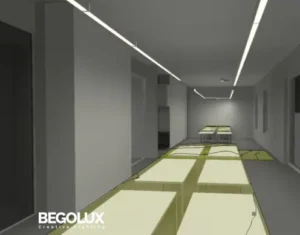
  • Orientation: Lighting can also guide users, directing their gaze and the flow of movement through the space. The choice of lighting fixtures can play a role in this— for example, linear lights and spotlights can create a sense of continuity throughout the space.
  • Optimizing Energy Efficiency in the Space:

One of the key benefits of architectural lighting design is its ability to maximize energy efficiency in a project.

How are design and energy efficiency related?

The key lies in the initial study of the space: understanding the available natural light sources and identifying the best placement for light fixtures allows for a more accurate analysis of the actual lighting needs, providing clarity on how to apply it efficiently.

Often, smart lighting systems, such as DALI systems, are used to optimize projects. This technology enables the regulation of light temperature and intensity according to the moment’s needs, making interior lighting more adaptable and energy-efficient.

Architectural lighting design plays a crucial role in the perception of a space.

Choosing the right light fixtures and consulting with lighting professionals are essential steps to ensure the success of any interior design project.

These professionals provide insights on positioning, color temperature, and the most suitable types of lighting to achieve the desired effect, whether in commercial, residential, or corporate spaces.

Begolux offers a lighting project planning service, available to professionals seeking support for their projects.

Contact us to ensure the best lighting solutions for your designs.

The merger between lighting and furniture: the trend that defines design in 2026

Interior design is constantly evolving, driven by new technologies, lifestyles, and a growing awareness of the impact of spaces on our well-being. In 2026, we are witnessing a fundamental transformation that redefines the essential nature of environmental creation: the intrinsic fusion of light and furniture. This is not a mere passing trend, but a paradigm shift that abandons the logic of superposition in favor of harmonious and systemic integration. It is a complementary element that metamorphoses into a structural language. The path of design demands that light

Read More »

How to transform lighting into an architectural element

Today, lighting is no longer just a technical resource, but has become a true design element. It is through light that paths are defined, volumes are revealed, the gaze is guided, and identity is constructed. Lighting has become a structuring element, capable of influencing the perception of space, the comfort of users, and the way architecture is experienced over time. It is from this vision that new designs are born: luminaires conceived not as isolated objects, but as natural extensions of architecture. Each solution is designed to

Read More »
Circular Ring c/ Forest

Professional lighting solutions for contemporary spaces

In corporate, commercial and cultural spaces, lighting is no longer an invisible element. Today, it is a strategic tool that influences productivity, well-being, orientation and identity. The evolution of LED technology, combined with increasingly minimalist design and the integration of acoustic solutions, allows for the creation of more efficient, flexible and coherent environments, adapted to the demands of contemporary projects. Technical lighting remains the basis of any successful project. Strict control of the light beam prevents glare, reduces unwanted shadows and ensures visual comfort throughout the day.

Read More »